

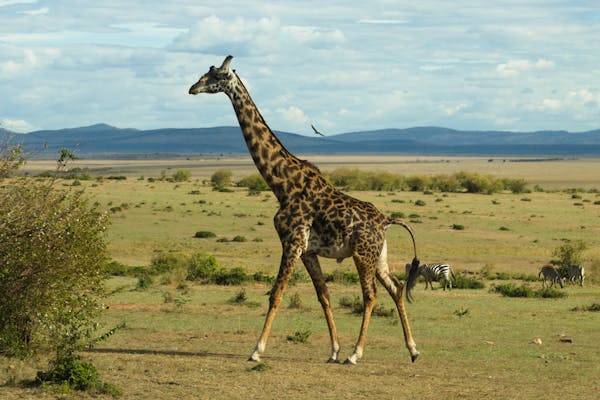
Kenya, the cradle of humanity and the embodiment of the quintessential African adventure, beckons travelers with the promise of an unforgettable safari experience. Its vast landscapes encompass sprawling savannahs teeming with iconic wildlife, scorching deserts harboring ancient secrets, and verdant rainforests alive with the symphony of nature. But with such ecological diversity and a climate that dances between dry and wet seasons, navigating the ideal time for your Kenyan safari adventure can feel as intricate as untangling a Maasai Mara wildebeest migration route. Fear not, intrepid explorer! This comprehensive guide will unveil the secrets of Kenya’s seasons, helping you tailor your safari to witness the spectacles that resonate most deeply with you.
Kenya’s Captivating Climate: A Year-Round Tapestry of Dry and Wet
Kenya experiences a captivating interplay of two distinct rainy seasons and two dry seasons, each significantly influencing the landscape and the behavior of its awe-inspiring wildlife. Here’s a detailed breakdown to equip you for planning your dream safari:
- Dry Season 1: June to October – The Peak Spectacle
This marquee season boasts a captivating combination of factors that make it the most popular time to embark on a Kenyan safari. Imagine yourself basking in the warm sunshine of sun-drenched days, with clear, expansive skies overhead. Rainfall is minimal, transforming the landscape into a photographer’s paradise. The most dramatic change, however, unfolds in the vegetation. The once-lush plains give way to sparser grasslands, making spotting wildlife considerably easier. Animals instinctively congregate around permanent water sources, creating dramatic scenes straight out of a National Geographic documentary. This period also coincides with the awe-inspiring Great Migration, where millions of wildebeest, zebra, and gazelle embark on their epic annual journey across the Masai Mara, a spectacle that will leave you breathless. While daytime temperatures are comfortable to warm, with highs reaching the mid-80s Fahrenheit (around 30 degrees Celsius), be prepared for occasional chills at night, especially at higher altitudes, where temperatures can dip into the low 50s Fahrenheit (around 10 degrees Celsius). Pack accordingly to ensure you’re comfortable throughout your day and night game drives.
- Short Rains: November and December – A Breath of Fresh Air
The arrival of November and December marks a subtle shift in Kenya’s climate. The first sprinkles of rain begin to fall, transforming the parched landscapes into a vibrant tapestry of green. While some game viewing opportunities might be hampered by thicker vegetation obscuring the view, this period offers a unique perspective. Resident wildlife flourishes with the renewed abundance of water and fresh foliage, attracting a wider variety of herbivores to specific areas. Birdwatching becomes exceptional during this time, with a surge in bird activity as they capitalize on the plentiful insect life that emerges with the rains. This shoulder season offers a chance to escape the peak-season crowds and potentially secure lower travel costs, making it an attractive option for budget-conscious travelers or those seeking a more intimate safari experience.
- Long Rains: March to May – Unveiling a Hidden Paradise
The long rains, stretching from March to May, paint Kenya in a completely different light. Heavier downpours characterize this period, rejuvenating the land and creating dramatic waterfalls that cascade down mountainsides. While some safari camps close during this time due to access limitations or for maintenance, the lush landscapes and abundance of insects attract a diverse array of birdlife. Avid birdwatchers will find this period to be a paradise, with a plethora of migratory and resident species on display. With fewer crowds compared to the peak season, the long rains offer a unique opportunity for seasoned safari-goers seeking a different perspective on Kenya’s ecosystems. Be prepared for unpredictable weather patterns, including sudden downpours and muddy roads, but the rewards of witnessing Kenya in its most verdant state and encountering a wider variety of birdlife can be truly unforgettable.
- Dry Season 2: January and February – Unveiling Hidden Gems
Following the long rains, January and February usher in a hot and sunny period, often referred to as the “mini dry season.” This period offers excellent game viewing opportunities, particularly in areas that remained arid during the short rains. The sparse vegetation ensures that wildlife remains concentrated around permanent water sources, making spotting easier. The crowds haven’t arrived yet, making it a good value option for budget-conscious travelers seeking to avoid peak-season prices. Temperatures during this time can be quite high, reaching the upper 80s Fahrenheit (around 32 degrees Celsius) during the day, so be sure to pack accordingly and stay hydrated throughout your safari adventure.
Witnessing the Marvelous: Aligning Your Safari with Nature’s Spectacles
Kenya’s diverse ecosystems and thriving wildlife populations offer a treasure trove of experiences throughout the year. Here’s a detailed breakdown of some key highlights to consider when planning your safari, ensuring you witness the spectacles that resonate most deeply with you:
- The Great Migration (July to October): A Once-in-a-Lifetime Encounter
If witnessing the raw power and drama of nature is at the top of your safari bucket list, then aligning your trip with the Great Migration is a must. This awe-inspiring spectacle, occurring from July to October, sees millions of wildebeest, zebra, and gazelle embark on their epic annual journey across the vast plains of the Masai Mara. Witness the thundering herds as they surge forward, a relentless tide of life driven by an ancient instinct to find fresh grazing grounds. Prepare to be captivated by dramatic river crossings, where the animals brave crocodile-infested waters in a desperate bid to reach the other side. Witness fierce predator interactions as lions, leopards, and cheetahs seize the opportunity to hunt amidst the chaos. The Great Migration is a testament to the resilience and determination of wildlife, and experiencing it firsthand will leave you with memories that will last a lifetime.
- Birding Paradise (All year round, with peak season November to April): A Symphony for the Senses
Kenya is a haven for birdwatchers, boasting over 1,100 awe-inspiring bird species. From the vibrant colors of the flamingo colonies that dot the shores of Lake Nakuru to the majestic wingspan of the bateleur eagle soaring on thermal currents, Kenya’s diverse habitats provide a stage for an incredible avian spectacle. The peak birding season coincides with the short rains (November to April), when migratory birds arrive from Europe and Asia, swelling the resident population. This period offers exceptional opportunities to witness a dazzling array of feathered friends, from the comical antics of hornbills to the elusive skulking behavior of the shoebill stork. However, Kenya remains a birder’s paradise year-round, with each season offering unique sightings. The dry season allows for easier spotting as birds congregate around water sources, while the lush foliage of the long rains provides nesting grounds for a variety of resident species.
- Big Cat Encounters (All year round): Witnessing Apex Predators in Action
Encountering the apex predators of the savanna – lions, leopards, cheetahs, and hyenas – in their natural habitat is a quintessential safari experience. Each season offers unique opportunities to witness these magnificent creatures. During the drier seasons (June to October and January to February), wildlife concentrates around waterholes, making them easier to spot. Imagine the thrill of watching a pride of lions lazing in the shade of an acacia tree, or the heart-stopping intensity of a cheetah chase, its incredible speed on full display. The long rains (March to May) provide lush cover for these skilled hunters, allowing them to stalk their prey with increased stealth. Be prepared for a game of patience and keen observation, as these elusive predators can blend seamlessly into their surroundings.
- Primate Encounters (All year round): A Glimpse into Another World
Kenya offers a unique opportunity to encounter fascinating primates in their natural habitat. Deep within the dense rainforests of places like Bwindi Impenetrable National Park, you may have the privilege of observing chimpanzees, our closest living relatives, exhibiting remarkable intelligence and social behavior. Witness playful groups of colobus monkeys swinging through the canopy, their vibrant black and white fur contrasting with the emerald foliage. Keep an eye out for shy nocturnal creatures like bushbabies with their enormous eyes, perfectly adapted for navigating the darkness. Encountering these primates provides a glimpse into another world, fostering a deeper appreciation for the diversity and complexity of the animal kingdom.
- Baby Boom (December to March): Witnessing the Circle of Life
The green season, stretching from December to March, coincides with a heartwarming phenomenon – the baby boom of the herbivores. Witness playful calves of elephants and zebras frolicking alongside their mothers, a testament to the resilience and continuity of life. Imagine the tender moments as a young giraffe takes its wobbly first steps, or the heartwarming sight of a lion cub learning the art of hunting from its experienced elders. Witnessing the circle of life unfold on the African savanna adds a new dimension to your safari experience, reminding us of the interconnectedness of all living things.
Beyond the Savannah: Unveiling Kenya’s Gems
While the vast savannas teeming with iconic wildlife steal the spotlight, Kenya offers a wealth of diverse experiences beyond the open plains. Here are some additional experiences to consider when crafting your dream Kenyan itinerary:
- Mountain Majesty (All year round, with best hiking conditions December to March): For those seeking adventure beyond the safari jeep, Kenya boasts breathtaking mountain ranges that beckon intrepid explorers. Hike the slopes of Mount Kenya, Africa’s second-highest peak, and witness glaciers clinging to its snow-capped summit. Explore the Aberdare National Park, a UNESCO World Heritage Site, where lush forests cloak volcanic mountains, offering a habitat for rare wildlife like the black rhino and the bongo antelope. The cooler temperatures and invigorating hikes provide a welcome contrast to the heat of the savanna, making this a perfect add-on for active travelers. The best hiking conditions in these mountainous regions occur during the dry seasons (December to March) when trails are clear and the risk of rain is minimal.
- Coastal Delights (All year round): Kenya boasts a stunning coastline along the Indian Ocean, offering a perfect complement to your safari adventure. Imagine unwinding on pristine beaches with powdery white sand, turquoise waters lapping at the shore, and swaying palm trees providing shade. Explore the vibrant coral reefs of Mombasa, a snorkeler’s paradise teeming with colorful marine life. Alternatively, seek seclusion on the secluded coves of Lamu Island, a UNESCO World Heritage Site steeped in Swahili culture and history. The Kenyan coast enjoys a tropical climate year-round, making it a viable beach destination throughout the year. However, the hottest months (December to February) can be quite humid, while the long rains (March to May) can occasionally disrupt watersports activities.
- Cultural Encounters (All year round): Delve deeper into the rich tapestry of Kenyan culture and traditions. Visit a Maasai village and learn about their fascinating way of life, their vibrant beadwork, and their traditional dances. Witness the architectural marvels of historical towns like Lamu, where ancient Swahili stone houses whisper tales of a bygone era. Interact with local artisans who create intricate carvings and handcrafted souvenirs. Immersing yourself in Kenyan culture fosters a deeper appreciation for the country and its people, creating a more well-rounded travel experience. Cultural experiences are available year-round, but some festivals and ceremonies may be tied to specific seasons, so be sure to factor that into your planning.
People Also Ask:
- What is the cheapest time to go on safari in Kenya? The shoulder seasons (November-December and March-May) generally offer lower travel costs compared to the peak season (June-October). While wildlife viewing opportunities might be slightly affected by thicker vegetation during the short rains, you’ll encounter fewer crowds and potentially secure better deals on safari packages and accommodation.
- What are the best places to go on safari in Kenya? The answer depends on what you want to see and experience. The Masai Mara National Reserve is a must-visit for witnessing the Great Migration. Amboseli National Park offers breathtaking views of Mount Kilimanjaro alongside excellent elephant viewing. Tsavo National Park, the largest in Kenya, boasts diverse landscapes and a wide variety of wildlife. Meru National Park provides a more intimate safari experience with a focus on conservation efforts.
- What should I pack for a safari in Kenya? Pack comfortable, neutral-colored clothing suitable for hot weather, with layers for cooler evenings at higher altitudes. Don’t forget a hat, sunglasses, sunscreen, and insect repellent. Binoculars are a must for spotting wildlife from afar. A camera with a telephoto lens will help you capture those unforgettable safari moments.
By carefully considering the factors outlined above, you can tailor your Kenyan safari adventure to perfectly align with your interests and preferences. Whether you dream of witnessing the awe-inspiring Great Migration, encountering magnificent predators in their natural habitat, or simply relaxing on pristine beaches, Kenya has something to offer every explorer. So pack your sense of adventure, embrace the magic of the Kenyan wilderness, and prepare to embark on the safari of a lifetime!